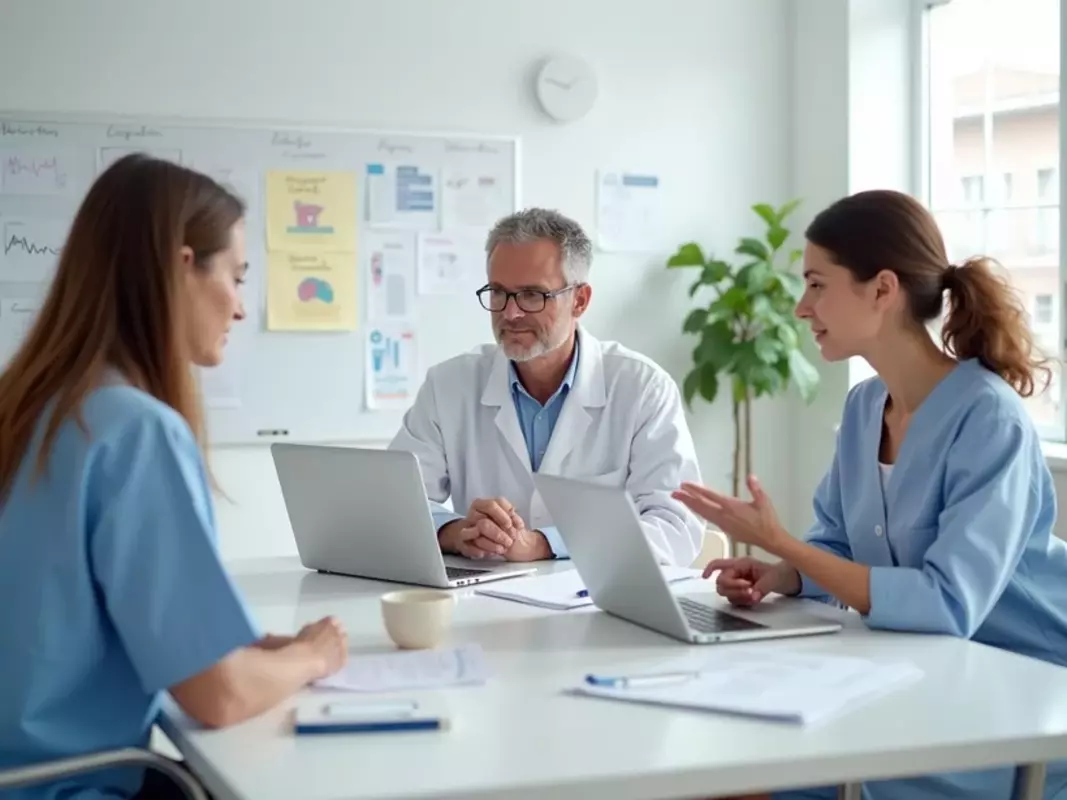
Effective Communication in Health Teams

Have you considered how the way we communicate could transform patient care? In the realm of allied health, effective communication is not merely a tool—it's a vital lifeline that can enhance trust and collaboration, leading to better patient outcomes.
What You Will Learn
- Effective communication builds trust and reduces patient anxiety, improving overall care experiences.
- Active listening techniques can significantly enhance interactions, making patients feel valued.
- Empathy fosters stronger relationships between healthcare providers and patients, enhancing treatment adherence.
- Using clear, jargon-free language minimizes misunderstandings and ensures patient comprehension of health information.
- Integrating visual aids and technology can elevate patient engagement and facilitate better understanding of health concepts.
- Creating a feedback culture among team members enhances collaboration and improves patient care strategies.
The Pillars of Enhanced Patient Care: Communication Skills
Effective communication is paramount in allied health. This visual highlights critical skills that foster trust, reduce anxiety, and improve collaboration within healthcare teams, ultimately leading to better patient outcomes. For more insights on how collaboration enhances patient care, read about enhancing patient outcomes with teamwork.
Active Listening: Cornerstone of Interaction
Engaging fully in conversation, maintaining eye contact, reflecting back, and avoiding interruptions builds trust and rapport with patients.
- Maintain Eye Contact
- Reflect Back
- Avoid Interrupting
Empathy: Building Trust
Understanding and sharing patients' feelings creates a supportive relationship, leading to better adherence to treatment plans and improved outcomes.
- Understand Patient Feelings
- Create Supportive Relationships
- Improve Treatment Adherence
Clear Language: Avoiding Misunderstandings
Using jargon-free terminology, encouraging questions, and checking for understanding ensures patients comprehend their health conditions.
- Simplify Terminology
- Encourage Questions
- Check for Understanding
Feedback Culture: Enhance Collaboration
Creating an environment where team members comfortably share feedback enhances collaboration, leading to more coordinated and effective care plans.
- Encourage Open Sharing
- Foster Team Trust
- Refine Approaches Continuously
The Role of Communication in Enhancing Patient Care in Allied Health Teams
When it comes to allied health teams, the way we communicate can significantly impact patient care. Effective communication is not just about exchanging information; it’s essential for building trust, reducing anxiety, and ultimately improving patient outcomes. By ensuring that we communicate well, we foster an environment where patients feel heard and understood, enhancing their overall experience.
Consider how a simple conversation can change a patient’s perspective. When healthcare professionals actively engage in dialogue, it can alleviate fears and empower patients to take an active role in their health journey. Isn’t that what we all strive for in our practice at Integrated Health Practitioners?
Understanding the Impact of Effective Communication
Effective communication within healthcare teams can lead to remarkable improvements in patient care. Here are some key impacts of good communication:
- Increased Trust: Patients are more likely to trust their healthcare providers when they can communicate openly and effectively.
- Reduced Anxiety: Clear explanations and attentive listening can help alleviate patients' fears and uncertainties.
- Better Collaboration: Team members who communicate well can work together more effectively, leading to coordinated care plans that cater to patient needs.
In my own experience working with diverse allied health professionals, I’ve witnessed firsthand how effective communication fosters teamwork. It’s all about creating a supportive environment where everyone—patients and practitioners alike—can thrive. This collaborative spirit is central to interprofessional collaboration in allied health.

Key Communication Skills Essential for Allied Health Professionals
To enhance patient care, allied health professionals must hone specific communication skills. These skills help us connect with our patients and collaborate better with our colleagues. Let’s delve into three critical skills:
Active Listening: The Cornerstone of Patient Interaction
Active listening is more than just hearing what a patient says; it involves fully engaging in the conversation. Here are some techniques to improve active listening:
- Maintain Eye Contact: This shows the patient that you are focused and interested in their concerns.
- Reflect Back: Summarize what the patient has said to ensure you understand their perspective.
- Avoid Interrupting: Allow patients to express themselves without interjecting, which builds trust and rapport.
By practicing these techniques, we can significantly enhance our interactions with patients, making them feel valued and respected.
Empathy: Building Trust with Patients
Empathy is vital in establishing trust between patients and healthcare providers. It allows us to understand patients’ feelings and perspectives. When we express empathy, we create a supportive relationship, making it easier for patients to share their concerns. This connection can lead to better adherence to treatment plans and improved health outcomes.
Have you considered how empathy influences your interactions? Incorporating this skill into our daily practices at Integrated Health Practitioners can foster a more compassionate healthcare environment.
Clear Language: Avoiding Misunderstandings
Using clear, jargon-free language is essential for effective communication. It minimizes misunderstandings and ensures that patients fully comprehend their health conditions and treatment options. Here’s how to emphasize clear communication:
- Simplify Terminology: Use common language when discussing medical terms.
- Encourage Questions: Inviting patients to ask questions promotes clarity and understanding.
- Check for Understanding: Ask patients to repeat information in their own words to confirm comprehension.
In our practice, ensuring that patients understand their treatment plans is a priority. This approach not only enhances their confidence but also supports better health outcomes.
Enhancing Patient Engagement through Effective Communication
Improving patient engagement is crucial for health literacy. By leveraging effective communication strategies, we can empower patients to take active roles in their health. Here are a few ways to boost engagement:
- Utilize Visual Aids: Diagrams and charts can help clarify complex information.
- Incorporate Technology: Use patient portals to facilitate ongoing communication and access to information.
- Tailor Information: Customize communication to fit the individual needs and preferences of each patient.
At Integrated Health Practitioners, we prioritize patient engagement through tailored communication. By doing so, we help patients feel more connected and involved in their health journeys.
We Want to Hear From You!
How do you think effective communication impacts patient care in your practice? Share your thoughts below:
Consolidating Insights on Communication in Allied Health Teams
As we wrap up our discussion on effective communication in allied health teams, let's recap the essential skills and strategies we've explored. Strong communication is not just a nice-to-have; it's a fundamental part of delivering quality care. Remember, the key takeaway is that improving our communication skills can significantly enhance patient outcomes and team dynamics.
Here are some of the vital points to consider:
- Active Listening: This skill is crucial for understanding patient needs and building trust.
- Empathy: Showing genuine concern helps foster positive relationships with patients and colleagues alike.
- Clear Language: Using simple, jargon-free terms can prevent misunderstandings and ensure everyone is on the same page.
- Feedback Culture: Creating an environment where team members feel comfortable sharing feedback can enhance collaboration.
By focusing on these areas, allied health professionals can create a collaborative atmosphere that prioritizes patient care and strengthens teamwork.

Call to Action: Enhancing Your Team's Communication Skills
Now that we’ve delved into the important aspects of communication, I encourage you to take action! Implementing these strategies in your practice can lead to remarkable improvements in how your team interacts and supports one another. Start by identifying one communication skill your team can work on together this week.
Consider these steps to boost your team's communication:
- Hold regular team meetings focused on communication practices.
- Encourage team members to share their experiences and challenges with communication.
- Offer training sessions on effective communication techniques and tools.
- Utilize feedback from patients and team members to refine your approach continuously.
Taking proactive steps toward enhancing communication will not only benefit your team but also significantly impact the quality of care you provide to your patients at Integrated Health Practitioners.
The Future of Communication in Allied Health Teams
FAQs on Communication in Allied Health
Q: Why is effective communication so important in allied health?
A: Effective communication is vital because it builds trust, reduces patient anxiety, and improves collaboration among healthcare teams. This ultimately leads to better patient outcomes and a more positive overall patient experience.
Q: What are the key communication skills for allied health professionals?
A: Three critical skills are active listening, empathy, and using clear language. Active listening involves fully engaging in conversations, empathy helps build trust by understanding patient feelings, and clear language prevents misunderstandings by avoiding jargon.
Q: How does active listening benefit patient interactions?
A: Active listening benefits patient interactions by making patients feel valued and respected. Techniques like maintaining eye contact, reflecting back what the patient has said, and avoiding interruptions help build trust and rapport.
Q: How can allied health professionals ensure patients understand complex medical information?
A: Professionals can ensure understanding by simplifying terminology, encouraging patients to ask questions, and checking for comprehension by asking patients to repeat information in their own words. Visual aids can also be very helpful.
Q: What is the role of technology in enhancing communication in allied health?
A: Technology, such as secure messaging apps and telehealth platforms, increases accessibility for patients and providers, improves coordination among team members, allows for real-time information sharing, and enhances patient engagement and education.
Post-Pandemic Shifts in Communication Practices
As we look to the future, it's clear that the pandemic has reshaped how we communicate in healthcare settings. The rise of telehealth and virtual consultations has introduced new challenges and opportunities for communication within allied health teams. Emphasizing clear and empathetic communication is more crucial than ever as we adapt to these changes.
Practices that prioritize communication will likely flourish as we navigate this evolving landscape. Have you noticed how virtual meetings have changed your team's communication dynamics? It’s essential to embrace these new norms while ensuring that personal connections remain strong. This shift highlights the importance of integrating technology in allied health.
Continuing Education and Training Opportunities
To stay ahead in the ever-evolving field of healthcare, ongoing education is key. Many resources are available for allied health professionals looking to enhance their communication skills:
- Workshops on effective communication in healthcare settings.
- Online courses that focus on building active listening and empathy skills.
- Networking events where practitioners can share best practices and learn from each other.
- Access to webinars and training sessions that cover the latest trends in health communication.
Investing in these opportunities not only enriches your skill set but also enhances the care you provide at Integrated Health Practitioners.
Embracing Digital Communication Tools in Healthcare
The integration of digital tools in healthcare communication is transforming how we connect with each other and our patients. From secure messaging apps to telehealth platforms, these tools offer new avenues for effective communication. At Integrated Health Practitioners, we recognize the importance of leveraging technology to enhance our collaborative efforts.
Here are some benefits of using digital communication tools:
- Increased accessibility for patients and healthcare providers.
- Improved coordination among team members.
- Real-time updates and information sharing.
- Enhanced patient engagement and education.
As we embrace these tools, let’s remain committed to maintaining clear, compassionate communication, ensuring that our patients feel supported throughout their health journeys.
Recap of Key Points
Here is a quick recap of the important points discussed in the article:
- Active Listening: Essential for understanding patient needs and building trust.
- Empathy: Fosters positive relationships between patients and healthcare providers.
- Clear Language: Using simple terms minimizes misunderstandings and enhances patient comprehension.
- Feedback Culture: Encouraging open feedback improves collaboration within healthcare teams.